PEX Repiping Toronto
PEX Repiping in Toronto and across the GTA — handled by licensed plumbers who specialise exclusively in polybutylene pipe systems. Toronto Poly B Replacement Pros brings deep hands-on experience to every pex repiping project, whether you're in a detached home in Markham or a condo in North York.
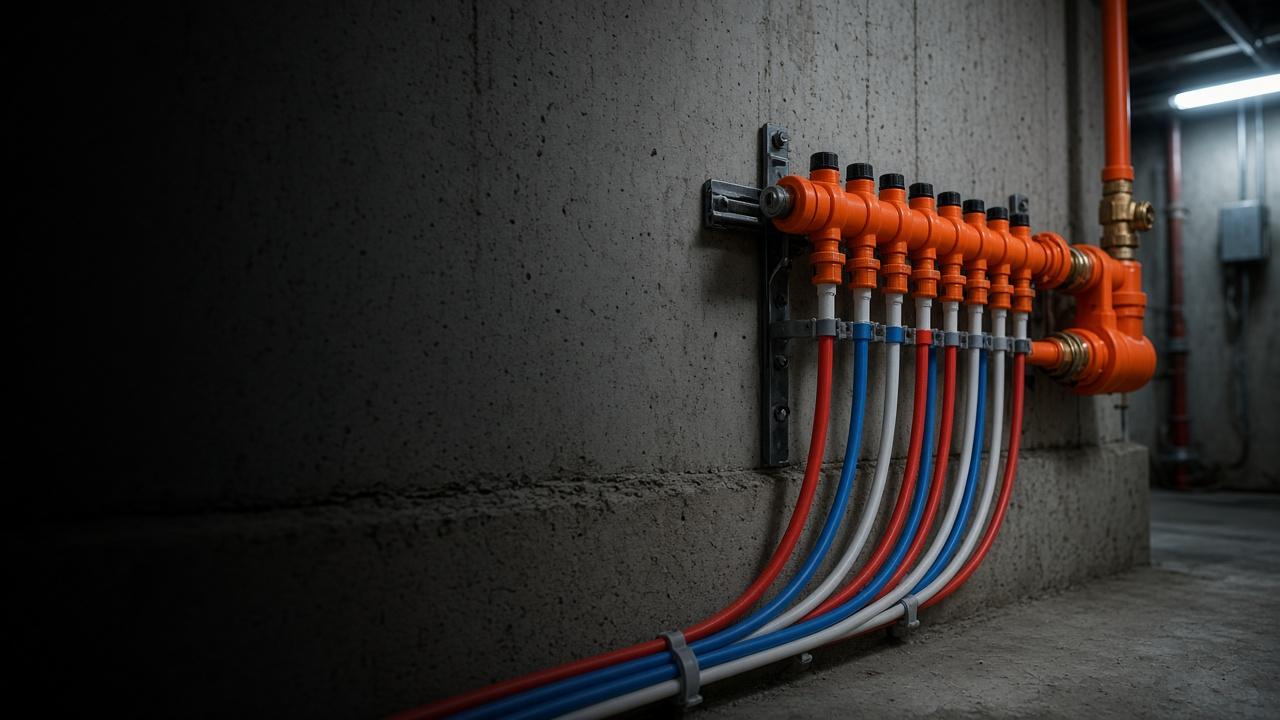
PEX pipe — cross-linked polyethylene — is the dominant Poly B replacement material across the GTA, and for good reason. It's flexible enough to route through tight spaces without extra fittings, resistant to freezing (a critical feature in Ontario winters), and engineered to outlast every piece of Poly B it replaces by decades.
If your home needs to have its Poly B removed and you're weighing your material options, PEX is what most Ontario plumbers recommend today. It's cost-effective, fully accepted by all major Ontario insurers, and available in PEX-A, PEX-B, and PEX-C grades — with PEX-A being the premium choice for residential repiping.
PEX-A vs. PEX-B: The Difference You Should Know
Not all PEX is the same. The three grades (A, B, and C) differ in the method used to cross-link the polymer chains, and those differences matter in a residential repipe.
PEX-A is manufactured using the Engel method, which produces the highest degree of cross-linking and the most flexible pipe. PEX-A has shape memory — it returns to its original form after being kinked or bent — and it's the only PEX that works with expansion fittings, the strongest and most leak-resistant connection method available. We use PEX-A for all primary supply runs where it's accessible.
PEX-B is manufactured using the silane method and is slightly stiffer. It's still a fully code-compliant material with an excellent lifespan, and it works with crimp and clamp fittings. PEX-B is often used for shorter branch runs and in areas where the slight additional rigidity is an advantage.
PEX-C is the least flexible and is primarily a commercial/industrial product. We don't use it in residential repiping.
Why PEX Outperforms Poly B by Every Measure
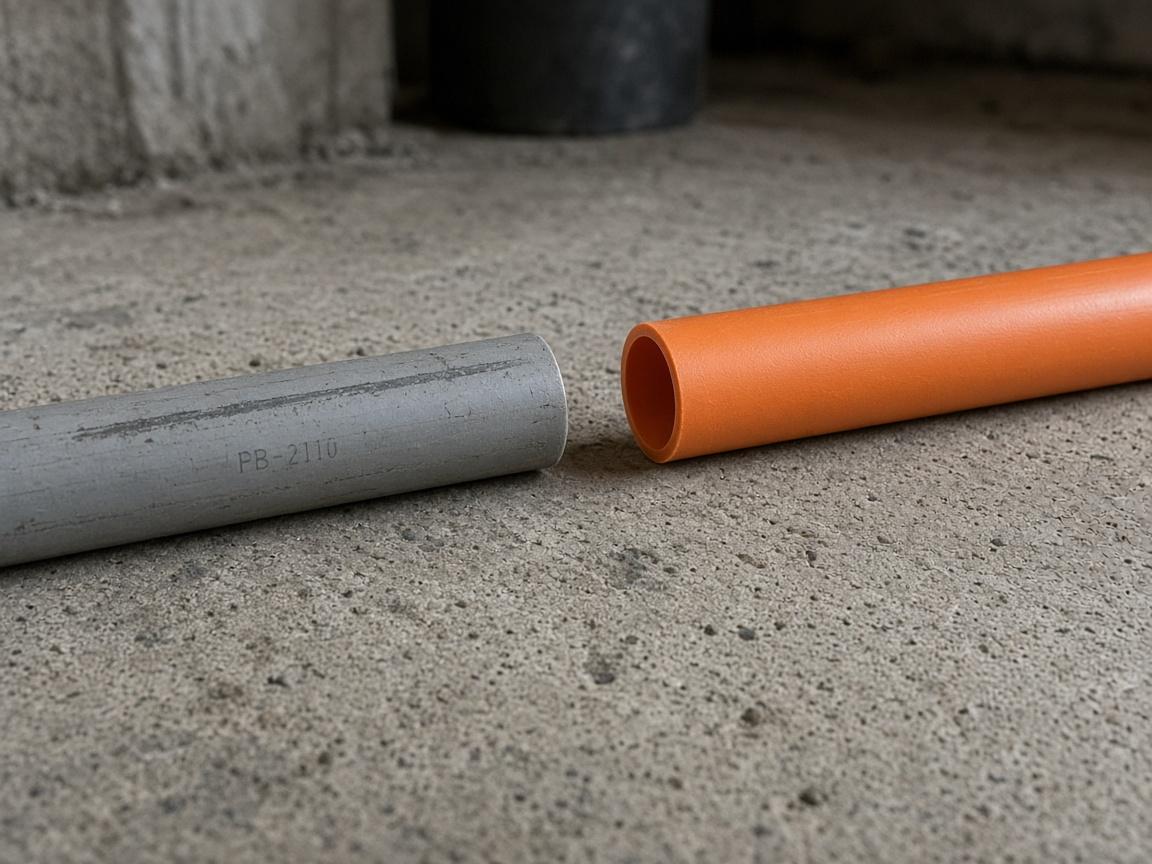
The comparison between PEX and Poly B isn't even close. Poly B fails because it reacts with chlorine in municipal water. PEX doesn't react with chlorine at all — the cross-linked structure of the polymer is chemically inert to disinfectants. PEX doesn't oxidise. It doesn't become brittle under normal plumbing conditions. Its failure modes are almost all related to mechanical damage (impact, UV exposure in unprotected outdoor runs, or improper fitting) rather than chemical degradation.
PEX also handles Ontario winters better than any metallic alternative. Its flex-and-recover property means that in a freeze event — say, a burst pipe in an unheated garage or exterior wall cavity — PEX will typically expand rather than crack, and return to its original diameter when the ice thaws. This isn't a reason to leave PEX uninsulated, but it's a meaningful safety margin that copper doesn't provide.
The lifespan of properly installed residential PEX is estimated at 50 years under normal conditions. The oldest PEX installations in North America are approaching 40 years with no systemic failure rates.
PEX and Home Insurance in Ontario
Every major Ontario home insurer we're aware of accepts PEX as a Poly B replacement material. Some older underwriting guidelines written in the 2000s were specific to copper, but those have been updated across the industry to reflect PEX's established performance record.
What insurers want to see is documentation: a written completion report from a licensed plumber confirming that all Poly B has been removed and replaced with PEX (or copper). They want the material grade specified, the date of completion, the plumber's licence number, and confirmation that the work was done under applicable building code permits where required.
We provide all of this on every job. If your insurer has specific documentation requirements, let us know before we start and we'll format the report to match.
What to Expect from PEX Repiping in Toronto
Every pex repiping job in Toronto and the GTA includes these deliverables as standard. No upselling, no surprise add-ons.
Why Act Now on PEX Repiping in Toronto?
PEX repiping is a one-time, permanent fix to a problem that will only get more urgent as Ontario's insurance market continues to tighten. The cost of a PEX repipe today is a small fraction of the cost of a water damage claim or a voided insurance policy.
PEX Repiping Across the GTA
We provide pex repiping across Toronto and throughout the Greater Toronto Area. Wherever your home was built in the Poly B era, we can help.
PEX Repiping Toronto — Common Questions
Is PEX or copper better for replacing Poly B?
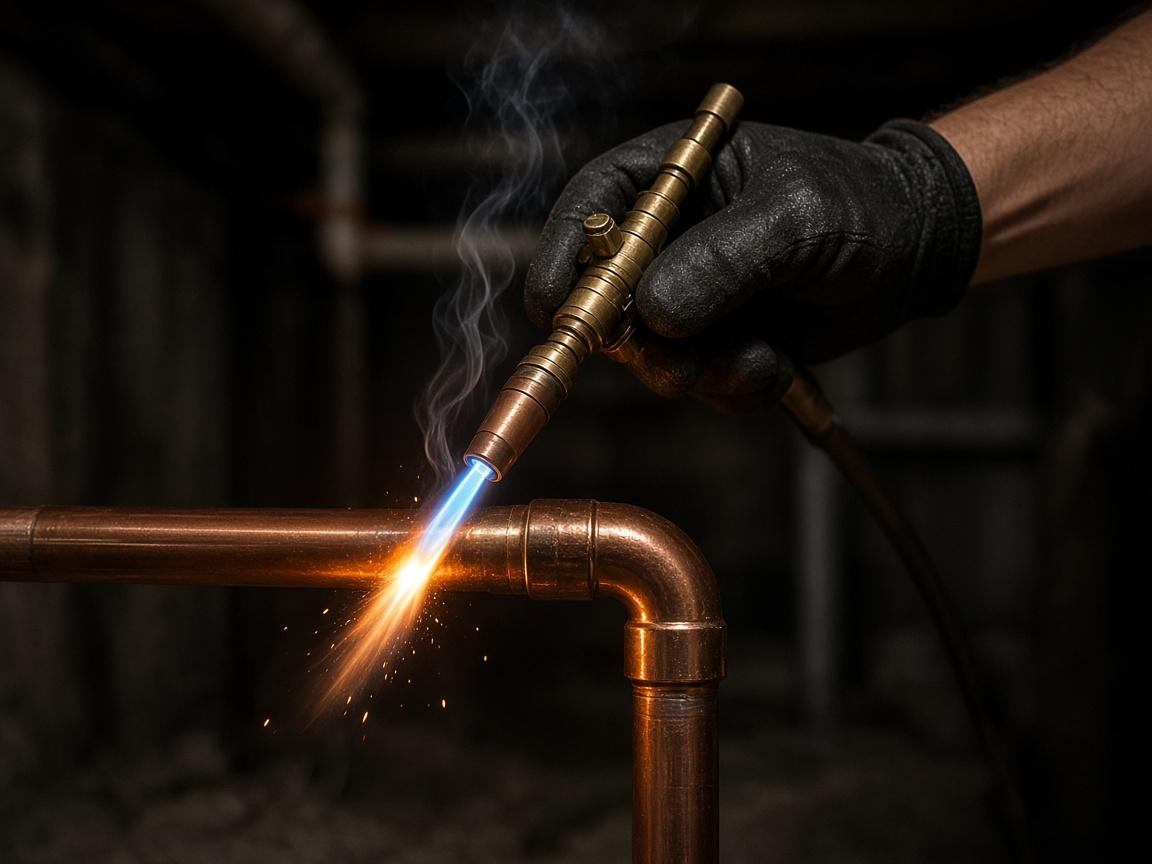
Both are excellent materials. PEX is more cost-effective, faster to install, and fully accepted by Ontario insurers. Copper is more expensive but preferred by some older insurers and buyers. We'll walk you through both options on your assessment.
How long does a PEX repipe take?
Most single-family homes are completed in one to two days. Larger homes or those with complex layouts may take three days. We restore water service at the end of each workday.
Does PEX require permits?
In most Ontario municipalities, a permit is required for a full repipe. We handle the permit process and ensure all work meets Ontario Building Code requirements.
More Poly B Solutions
Ready to Book Your PEX Repipe in Toronto?
PEX Repiping in Toronto doesn't have to be complicated. Contact Toronto Poly B Replacement Pros today — we'll assess your home, explain exactly what's needed, and give you a written quote before any work begins.